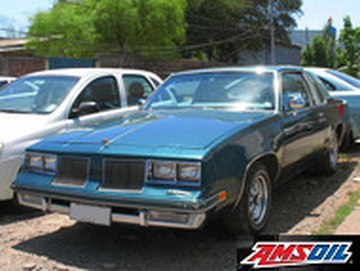
Lubrication Maintenance for the 1981 Oldsmobile CUTLASS 4.3L
Maintaining an engine requires a consistent approach to fluid management and mechanical inspection. For owners of a 1981 Oldsmobile CUTLASS equipped with the 4.3L engine, staying ahead of routine service tasks is essential for long-term operational stability. While many maintenance tasks are straightforward, understanding how to monitor your vehicle's condition can prevent minor issues from becoming significant mechanical concerns.
Monitoring Fluid Integrity and Condition
One of the most effective ways to assess the health of an engine is through regular observation of its fluids. For this specific 4.3L application, checking the lubricant level and appearance should be a frequent part of any service routine. When you inspect the oil, look for changes in color or texture that might indicate something is amiss. While some darkening is expected as the oil undergoes its service life, extreme discoloration or a gritty texture can warrant further investigation.
Beyond just checking levels, it is useful to observe the area surrounding the engine for any signs of seepage. Inspecting gaskets and seals for evidence of age-related leakage is a proactive way to manage potential fluid loss. If you notice wetness or residue on various engine surfaces, it may indicate that a seal is beginning to lose its effectiveness. Addressing these observations early can help maintain the cleanliness of the engine bay and ensure that fluid levels remain within the appropriate range.
Observing Potential Warning Signs
Vehicle owners should remain attentive to any changes in how the engine operates or sounds. While symptoms can have multiple underlying causes, certain indicators are worth noting during your routine checks. For example, an unusual mechanical noise or a change in the way the engine idles may be associated with various internal or external factors. Similarly, if you notice unexpected consumption of oil between service intervals, this is a sign that requires closer inspection.
If any warning lights or indicators appear on the dashboard related to the lubrication system, these should be investigated immediately. Additionally, keep an eye out for any unusual exhaust odors or smoke, as these can sometimes be linked to how the engine is managing its fluids. Rather than attempting to diagnose a specific component based on a single symptom, use these observations as prompts to perform a more thorough inspection of the engine and its supporting systems.
Prioritizing Long-Term Engine Care
As vehicles age, maintenance strategies often shift from purely reactive repairs to more structured preventive care. For an older 1981 Oldsmobile CUTLASS, establishing a clear baseline of the vehicle's current condition is highly beneficial. If you do not have access to comprehensive service records, your first priority should be to document the current state of all major fluids and mechanical components.
When managing an older engine, it is often more effective to prioritize tasks based on the actual condition of the vehicle rather than relying solely on its age. This means addressing active leaks or visible signs of wear before moving on to other maintenance items. Reviewing any available repair history can also provide insight into which components have been serviced recently and which may be approaching the end of their service life. Keeping a detailed log of all completed oil changes, filter replacements, and inspections will help you track trends in fluid consumption or component performance over time.
Routine Inspection of Engine Components
A comprehensive maintenance approach includes looking at more than just the oil itself. If equipped, inspecting accessible drive belts for signs of cracking, glazing, or fraying is a prudent step during routine service. Similarly, if your vehicle is equipped with various hoses, checking them for softness, swelling, or visible cracks can help prevent unexpected failures.
Electrical connections and wiring should also be inspected periodically. Ensuring that connectors are secure and free from corrosion helps maintain the integrity of the engine's electrical systems. Furthermore, inspecting the air filtration system is vital; a clean air intake ensures the engine receives an appropriate volume of air, which supports efficient operation. By combining these visual inspections with regular fluid monitoring, you create a more complete picture of your vehicle's mechanical health.
Managing Aging Materials and Seals
Over time, the various materials used in an engine—such as rubber seals, gaskets, and plastic components—can undergo changes due to heat cycles and age. For a 1981 model, it is reasonable to be more observant of these aging materials. Rather than assuming a part will fail, focus on identifying early signs of deterioration. This includes looking for the seepage mentioned previously or checking for any brittleness in rubber components.
If you are using high-mileage oil formulations, be aware that some of these products contain additives intended for use in aging engines. Some high-mileage formulations include seal-conditioning additives that may assist in maintaining the flexibility of certain seals. However, these should be viewed as part of a broader maintenance strategy rather than a substitute for regular mechanical inspections and timely fluid changes.
Buying Engine Oil for your 1981 Oldsmobile CUTLASS 4.3L
When it is time to replenish your engine's lubricant, the most important step is to ensure the product you select matches the specific requirements of your engine. To ensure proper protection and performance, match the engine oil to the application-specific viscosity information already displayed on this webpage.
Before making a purchase, always check the product labeling to verify that the oil meets the necessary quality standards and certifications. You may choose between conventional, synthetic blend, or full synthetic oils depending on your preferences and the specific needs of your engine's current condition. If you are managing an older engine with higher mileage, you might consider high-mileage formulations, but always prioritize the viscosity and application details provided in the technical specifications above to ensure a correct match for your 4.3L Oldsmobile engine.